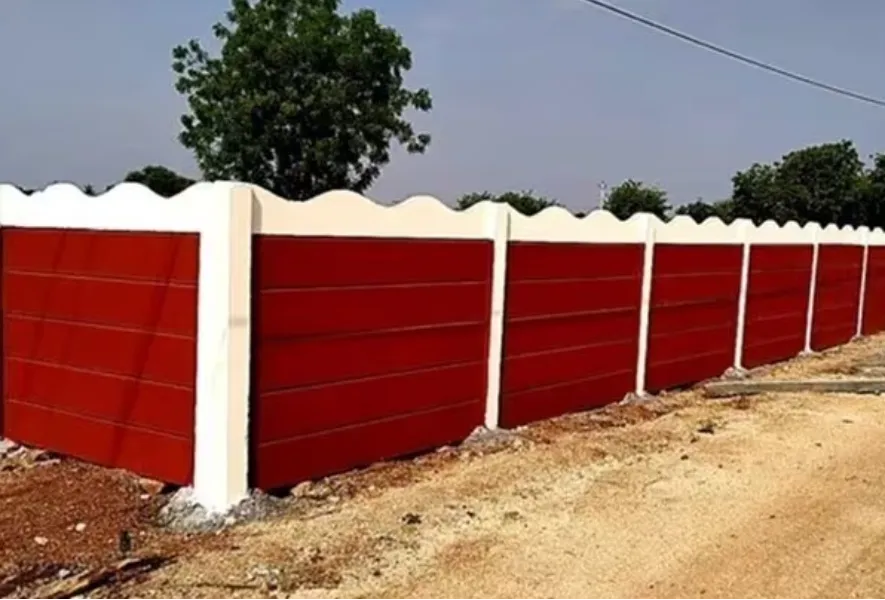
When planning a boundary wall for a residential, industrial, commercial, or institutional property, one of the biggest decisions is choosing between a conventional brick wall and an RCC Precast Compound Wall Manufacturer. While brick walls have been used for decades, modern construction projects increasingly prefer RCC precast compound walls because they offer faster installation, better consistency, and lower long-term maintenance.
As construction timelines become shorter and labour costs continue to rise, property owners are looking for solutions that provide both durability and efficiency. RCC precast compound walls meet these expectations by combining factory-controlled manufacturing with quick on-site installation.
For developers and contractors undertaking projects in Katol, this construction method has become a practical option for securing properties without extending project schedules.
Understanding RCC Precast Compound Walls
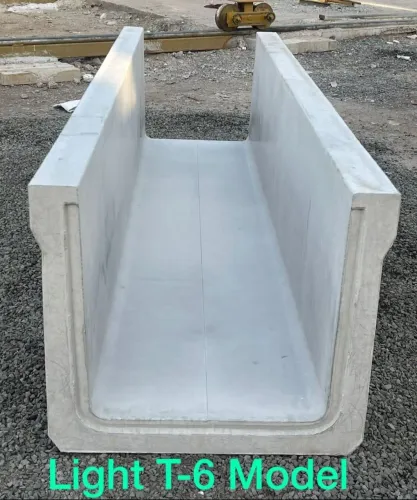
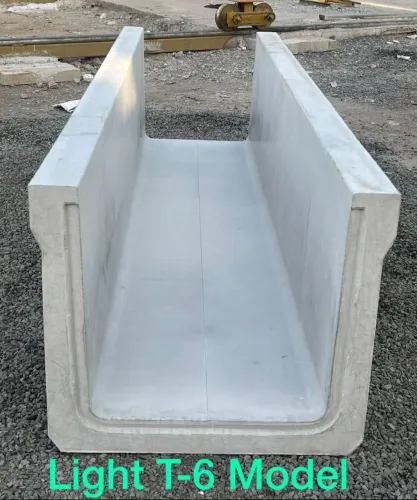
An RCC precast compound wall consists of reinforced concrete columns and precast concrete panels manufactured in a controlled production facility. Once transported to the site, these components are assembled to create a strong and uniform boundary wall.
Unlike brick masonry, where quality often depends on on-site workmanship and weather conditions, precast systems are produced under standardized manufacturing practices, resulting in better consistency and structural performance.
Comparing RCC Precast Walls with Brick Walls
Although both options serve the same purpose, there are significant differences that influence project outcomes.
Construction Speed
Brick walls require multiple stages, including foundation work, bricklaying, plastering, curing, and finishing. Each stage adds time to the project.
RCC precast walls arrive ready for installation, allowing boundary construction to be completed much faster.
Quality Consistency
Brick wall quality depends heavily on the skill of labourers working on-site.
Precast wall panels are manufactured using controlled production methods, ensuring uniform dimensions, proper reinforcement, and consistent concrete quality.
Labour Requirement
Traditional masonry requires a larger workforce throughout the construction process.
Precast systems reduce labour dependency because much of the work has already been completed at the manufacturing facility.
Durability
Properly manufactured RCC precast walls provide excellent resistance to weather exposure, everyday wear, and environmental conditions.
Maintenance
Brick walls often develop cracks or require plaster repairs over time.
Well-engineered precast compound walls generally require far less maintenance, reducing future repair costs.
Where RCC Precast Compound Walls Are Most Effective
Because of their versatility, these wall systems are suitable for numerous applications.
They are commonly installed for:
- Residential layouts
- Industrial plants
- Warehouses
- Manufacturing units
- Commercial buildings
- Educational institutions
- Agricultural land
- Government projects
- Infrastructure developments
Their flexibility allows them to meet the security and boundary requirements of both small and large-scale projects.
Features to Look for in an RCC Precast Compound Wall
Not every wall system offers the same level of quality. Before selecting a manufacturer, evaluate these important features.
High-Quality Concrete
The strength and durability of the wall depend on the concrete grade and the quality of raw materials used during production.
Proper Reinforcement
Steel reinforcement provides additional strength and improves the wall's ability to withstand external forces.
Accurate Manufacturing
Panels with consistent dimensions allow for faster installation and improved alignment at the project site.
Controlled Curing
Proper curing ensures the concrete develops the required strength before transportation and installation.
Professional Installation
Correct installation is essential for maintaining structural stability throughout the wall's service life.
Common Misconceptions About Precast Walls
Some buyers hesitate to choose precast systems because of outdated assumptions.
One misconception is that precast walls are less durable than brick walls. In reality, when manufactured using quality materials and proper engineering practices, RCC precast walls offer excellent structural performance.
Another misconception is that precast walls are suitable only for industrial projects. Today, they are widely used for residential layouts, schools, commercial properties, and agricultural land as well.
Some also assume that customization is limited. Modern manufacturers can produce walls in different heights and configurations to suit various project requirements.
Choosing the Right Manufacturer
A reliable manufacturer contributes significantly to the performance of the final wall system.
Before making a decision, consider:
- Manufacturing experience
- Production capacity
- Quality control procedures
- Engineering expertise
- Installation capability
- Delivery reliability
- Previous project portfolio
These factors provide a clearer picture of the manufacturer's ability to deliver consistent results.
Companies like Triilok Precast manufacture engineered RCC precast compound wall systems designed for residential, commercial, industrial, and infrastructure applications. Their focus on quality manufacturing and professional installation supports projects that require durable and efficient boundary solutions.
Choosing an experienced RCC Precast Compound Wall Manufacturer allows property owners and contractors to benefit from faster construction, dependable structural performance, and lower maintenance over the long term. As modern construction continues to prioritize efficiency and quality, RCC precast compound walls remain one of the most practical alternatives to traditional brick boundary walls.
Keywords