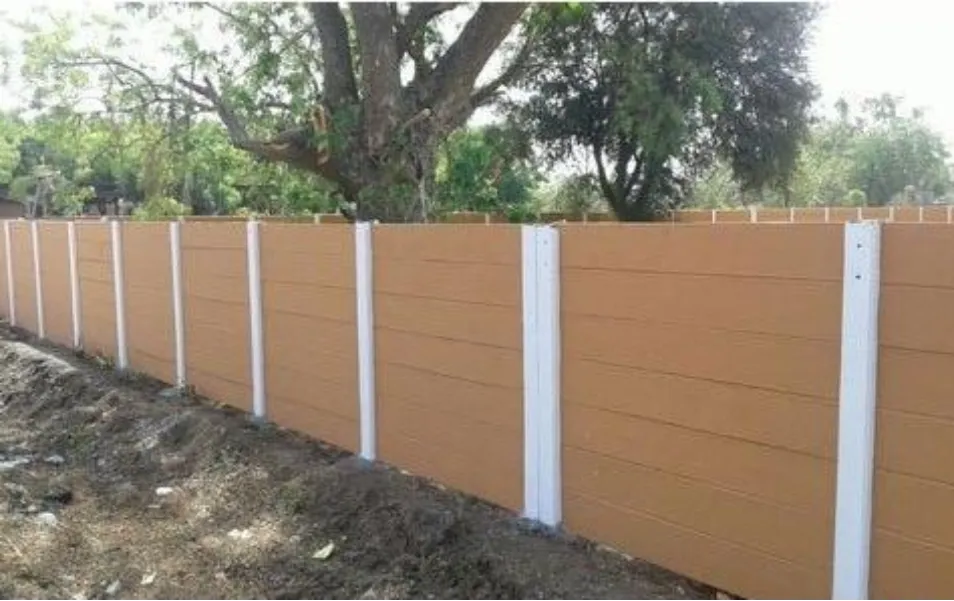
A compound wall is often one of the earliest visible elements of a property development, but it should not be treated as an isolated purchase. Developers choosing an RCC Compound Wall Manufacturer in Ramtek need to consider wall specifications, site preparation, access planning, material quality, installation scope, and long-term development requirements.
For projects in Ramtek, Maharashtra, RCC precast boundary systems can be suitable for residential layouts, institutions, industrial plots, farm developments, warehouses, and commercial properties.
What Should You Check Before Choosing a Manufacturer
The first consideration is manufacturing capability.
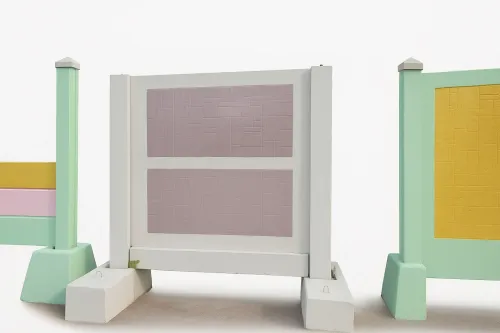
A dependable provider should be able to explain the type of concrete components being supplied, available wall configurations, post dimensions, panel specifications, and installation requirements.
Buyers should be cautious about making decisions from photographs alone. A finished wall may look similar even when component specifications differ.
Ask for clear information about the product being quoted.
Check Whether the Specification Fits the Project
The wall should match its intended application.
A basic property-demarcation wall may not require the same configuration as an industrial perimeter seeking additional height and privacy.
Developers should communicate:
- Required wall height
- Approximate running length
- Property type
- Gate openings
- Site terrain
- Soil conditions
- Access limitations
- Expected installation schedule
This allows the proposed wall system to be evaluated against actual project requirements.
Inspect Product Consistency
Precast construction relies heavily on repeatable components.
Panels should have reasonably consistent dimensions so they can fit into supporting posts correctly. Concrete surfaces should be inspected for obvious defects, while reinforcement and curing practices should be discussed with the manufacturer.
Posts deserve equal attention because they provide the primary support for the panel system.
A strong-looking panel cannot compensate for poor post installation.
Clarify Installation Responsibility
One of the most important procurement questions is who is responsible for installation.
Do not assume that a product quotation automatically includes foundation work, labour, unloading, site preparation, or transportation.
Request a clearly defined scope.
If installation is included, understand what site conditions are expected before the team arrives.
If it is excluded, the civil contractor should have enough technical information to plan the work properly.
Review Local Logistics
For projects around Ramtek, transport planning can affect both cost and scheduling.
Concrete components need suitable vehicles and unloading access. Rural or developing sites may have narrow roads, soft approaches, or limited turning space.
Check these conditions before dispatch rather than when the delivery vehicle reaches the property.
Look Beyond the Lowest Price
Cost matters, particularly on long boundaries, but unit price should be considered alongside specification and scope.
A useful comparison should examine component quality, wall dimensions, transportation, installation responsibilities, foundation requirements, and estimated project completion conditions.
A slightly different wall configuration may alter the total material requirement significantly.
Confirm Project Readiness
Before placing the final order, ensure that the boundary has been surveyed, ground levels are sufficiently established, gate positions are known, and major earthmoving work will not interfere with the wall.
Triilok Precast manufactures RCC and precast concrete boundary products for multiple construction applications, including projects around Ramtek. Developers and contractors can improve procurement accuracy by sharing site dimensions and practical installation details before requesting a final proposal.
Choosing an RCC compound wall manufacturer is ultimately about selecting a complete boundary solution rather than purchasing individual concrete panels. Clear specifications, reliable components, realistic logistics, suitable foundations, and coordinated installation are the factors that help turn manufactured products into a dependable finished perimeter.
Keywords