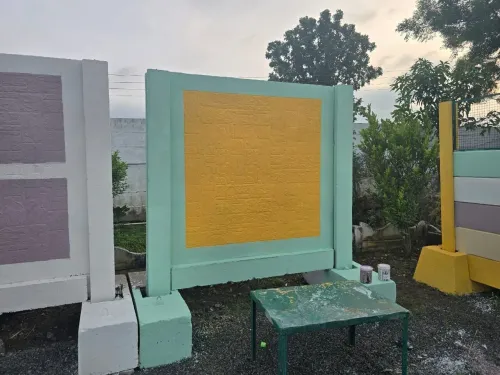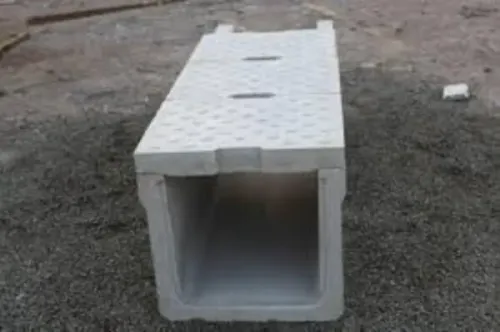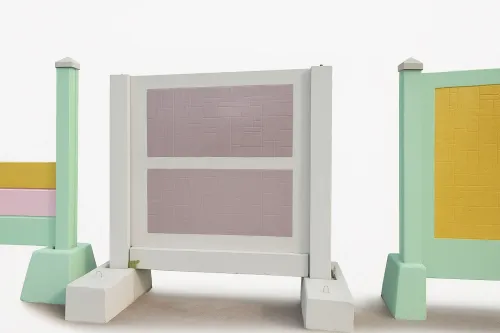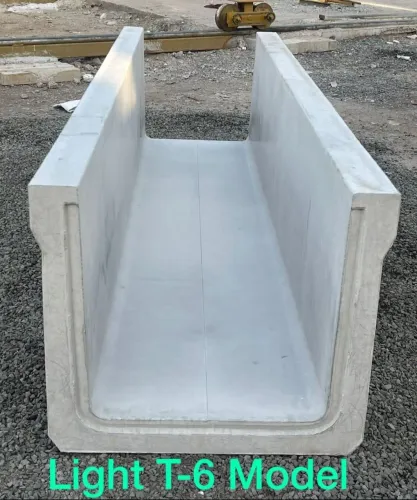
Boundary construction can become a significant part of a project schedule when large plots, industrial premises, farm properties, or development sites need to be enclosed. Working with a Precast Compound Wall Manufacturer in Wardha offers an alternative in which major wall components are manufactured beforehand and assembled at the property.
For projects in Wardha, Maharashtra, this construction method can be particularly useful where reducing on-site work is an important consideration.
What Makes a Compound Wall Precast
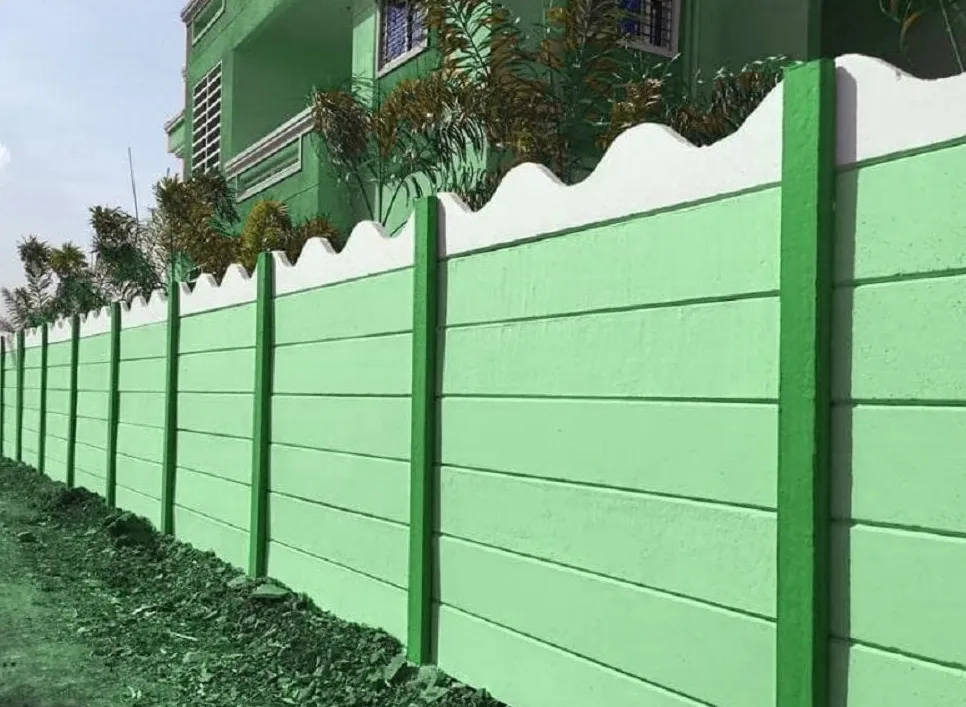
A precast compound wall is manufactured as separate concrete components rather than being built entirely at the site. Common systems consist of reinforced concrete posts and horizontal panels.
The posts are positioned at predetermined intervals. Panels are then inserted between them until the required wall height is achieved.
Because these components are produced using moulds, dimensions can remain relatively consistent across a long boundary.
How Precast Construction Saves Site Time
Conventional masonry requires several sequential activities. Foundations are prepared, masonry is constructed, mortar is allowed to set, plastering may follow, and additional finishing work can extend the schedule.
Precast construction changes this sequence.
Concrete panels can be manufactured separately while the property is being prepared. Once the components arrive, the installation team can focus primarily on post positioning and panel placement.
This does not mean every project can be completed within the same timeframe. Boundary length, terrain, access, wall height, labour availability, and weather conditions still affect installation.
However, reducing the number of wet-construction stages can simplify project planning.
Useful Applications Around Wardha
Precast walls can be considered for:
- Residential plot boundaries
- Agricultural properties
- Industrial premises
- Warehouses
- Schools
- Commercial plots
- Real estate layouts
- Construction site enclosures
- Storage facilities
- Infrastructure-related properties
Each application may require different wall dimensions.
For example, a simple plot boundary may prioritise economical enclosure, while an industrial property may place greater emphasis on height, durability, access control, and long perimeter coverage.
Planning Before Installation
Good installation begins before the first post is positioned.
The boundary line should be identified accurately. Existing utility lines, drainage routes, trees, gates, and neighbouring structures should be considered.
Ground levels also need attention. Installing panels across sharply changing levels without proper planning can create unwanted gaps or irregular wall lines.
Contractors should establish:
- Total boundary length
- Required height
- Number of corners
- Gate positions
- Soil conditions
- Ground level variations
- Vehicle access
- Material unloading space
Accurate measurements reduce unnecessary material changes during installation.
Quality Matters Beyond Appearance
A precast wall may look simple, but its performance depends on the components used to build it.
Concrete quality influences strength and durability. Reinforcement contributes to structural behaviour. Consistent moulding helps panels fit correctly. Appropriate curing is necessary before components are transported and installed.
Post foundations are another critical area. Even good-quality panels cannot compensate for poorly aligned or inadequately supported posts.
For this reason, buyers should evaluate both manufacturing quality and the proposed installation approach.
Understanding the Complete Cost
The price of precast boundary construction is influenced by wall length, height, panel design, material specification, transportation distance, site accessibility, ground preparation, and installation requirements.
Comparing only a per-foot figure can therefore be misleading.
A useful quotation should make clear what is included in the scope.
Triilok Precast manufactures precast concrete boundary products for different property requirements, including projects in Wardha. Buyers can make better decisions when they provide accurate site measurements and discuss the intended application before finalising specifications.
For projects where construction speed and controlled component production are priorities, a properly planned precast compound wall can offer a practical way to establish a permanent property boundary with less dependence on prolonged masonry work.
Keywords